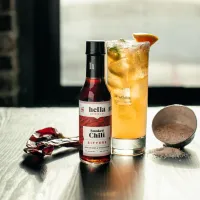
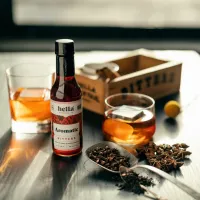
Hella Aromatic & Citrus Bitters: A Match Made in Heaven
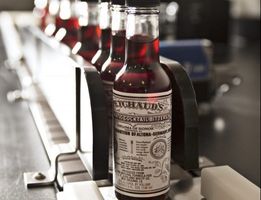
The story behind Hella Cocktail Co.'s Aromatic and Citrus bitters, plus a classic Manhattan recipe using both. From Whisk in Brooklyn.
What pie weights, pie birds, and crust shields actually do, and whether you really need them. From Whisk in Brooklyn.
Pie Weights
When it comes to baking pies, a pie dish and a rolling pin are the basic essentials, but pie weights can make a big difference. Pie weights are small ceramic (or sometimes metal) beads used for "blind" baking pie crusts — baking the bottom crust without any filling, which recipes call for when the filling doesn't get baked, like custard or chilled-set fillings, or when the filling is especially wet, like pumpkin pie. Without weights, blind baked crusts can form air pockets or slip down the sides of the dish as they cook. We prefer lining the crust with parchment paper rather than foil before adding the weights, since it allows for a little more air flow to help the crust bake and crisp.
Pie Birds
Pie birds are designed to help vent steam from double-crusted pies while they bake, preventing juicy fillings from boiling over and helping keep crusts crisp. Sometimes called pie vents, chimneys, or funnels, they've actually been around since the Victorian era, usually made of ceramic and shaped like a bird. To use one, place it in the center of the filling before adding your top crust, then cut a small x-shaped slit so the top of the bird pokes through. Do you actually need one? Honestly, no — all you really need is a few slits or vents in the crust. But they're cute, inexpensive, and make a great conversation piece.
Crust Shields
A pie crust shield covers the outer edge of your crust to keep it from over-browning or burning in the oven. Many people use aluminum foil for this, but pre-made shields are less wasteful, less likely to stick, and easier to place on or remove, especially from a pie that's already partially baked and bubbling hot. You can place a shield on before baking and remove it partway through, or add it once the crust starts to brown. They're not always necessary, but they're especially useful for pies with long baking times, like an overstuffed apple pie, or for older ovens with hot spots.